
What is pediatric physical therapy?
Pediatric physical therapy is a field of expertise focused on the assessment and treatment of functional impairments in children, with the goal of ensuring their optimal development and recovery. The pediatric physical therapists at the Cigonia Clinic treat infants and children with a variety of conditions.
Conditions Treated by Pediatric Physical Therapy
- Congenital or positional torticollis
- Plagiocephaly or cranial deformation
- Developmental delay
- Neuromotor Assessment
- Treatment of the Physical and Motor Impacts and Consequences of Dyspraxia
- Respiratory and orofacial problems
- Difficulty Breastfeeding
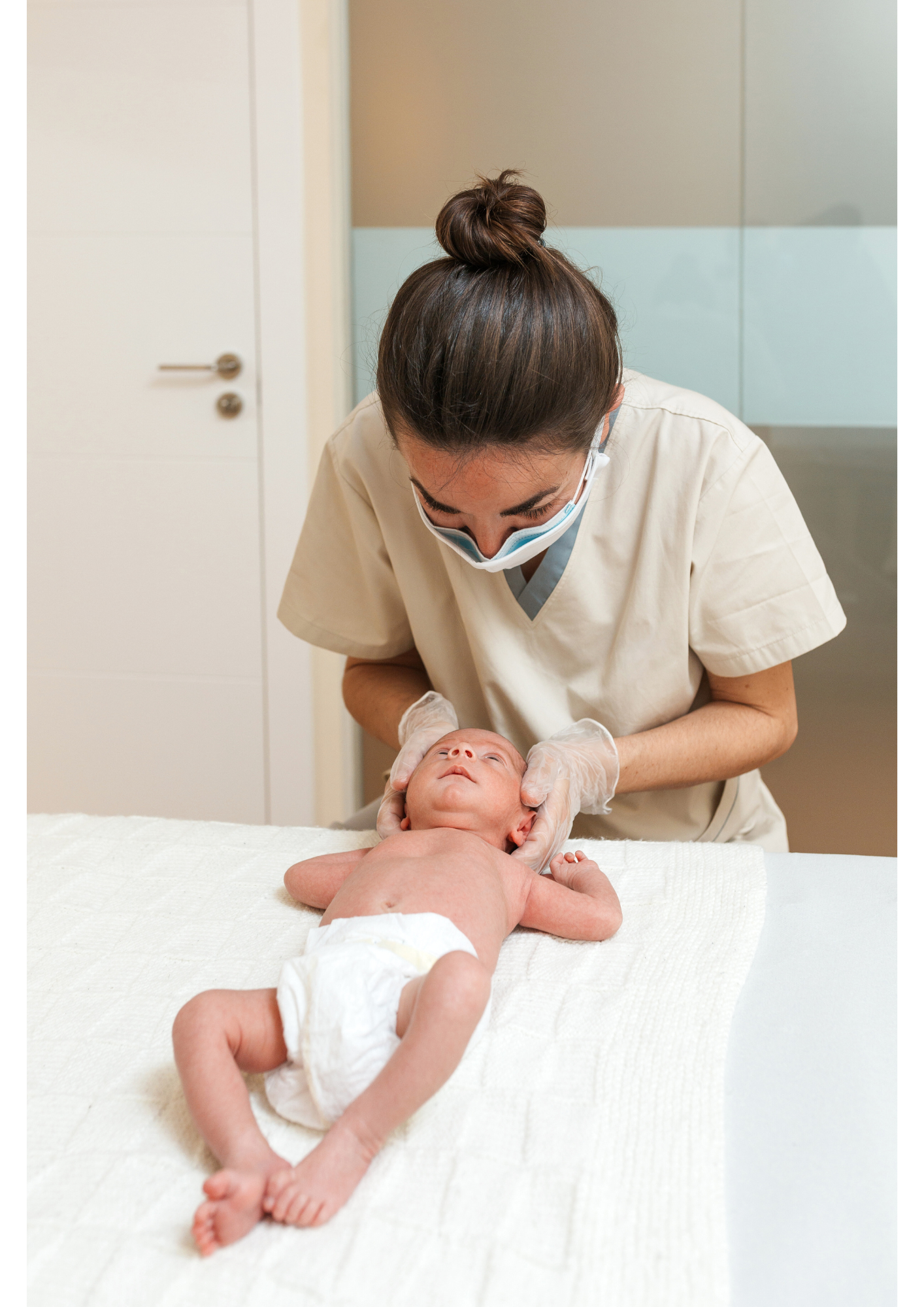
Integrative Pediatric Manual Therapy (IPMT)
Professionals at Cigonia have completed the advanced training program in Integrative Pediatric Manual Therapy (IPMT) offered by the School of Rehabilitation at the University of Montreal. This continuing professional development program, which spans one year and includes six seminars totaling 240 hours of theoretical and practical training, enables them to provide solutions for complex cases requiring additional pediatric expertise.
This training focuses on the assessment and treatment of joint and soft-tissue dysfunctions in children and infants, while incorporating in-depth knowledge of neurodevelopment. This advanced training addresses specific topics such as the biomechanics of childbirth, sensory neuro-programming, as well as the assessment and treatment of the skull and face, and neurodevelopmental disorders, using an integrative model of pediatric manual therapy.
Cranial Deformities Assessed in Pediatric Physical Therapy
Skull deformities are characterized by one or more abnormally flat areas on your child’s head. Because a newborn’s head is flexible—allowing the baby to be born vaginally and to grow rapidly—asymmetry may sometimes develop. In most cases, the head will return to a symmetrical shape on its own. However, if a flattened area persists around 3–4 months of age, a consultation with a healthcare professional is recommended.
The main types of cranial deformities include plagiocephaly, brachycephaly, and scaphocephaly.
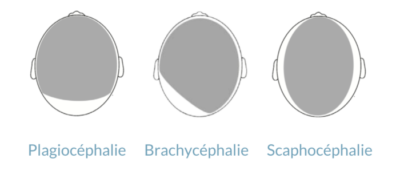
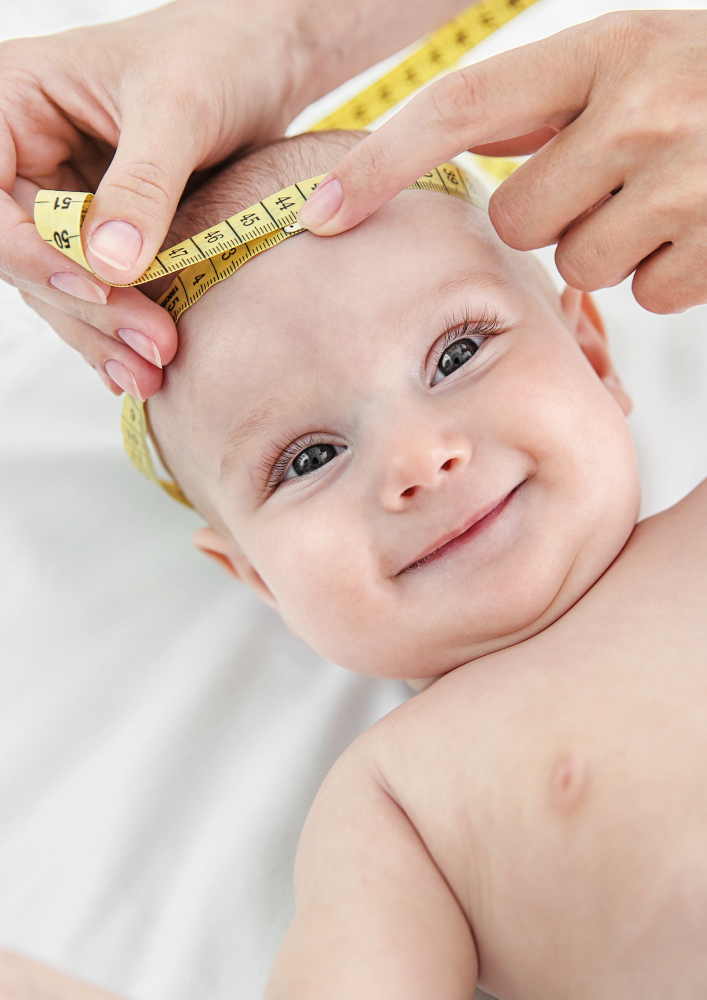
Cranial deformation can be assessed and measured through physical therapy, and there are solutions available. Physical therapy, osteopathic treatments, and wearing a helmet (if necessary) are your best tools for correcting this deformation. In collaboration with EVO Laboratoire, our pediatric physical therapists are trained to take the necessary measurements to create a custom-made helmet for your child.
Research indicates that the best results in terms of symmetry can be achieved when treatment begins at a young age. It is therefore wise to seek treatment promptly.
Neuromotor Assessment and Developmental Delay in Children
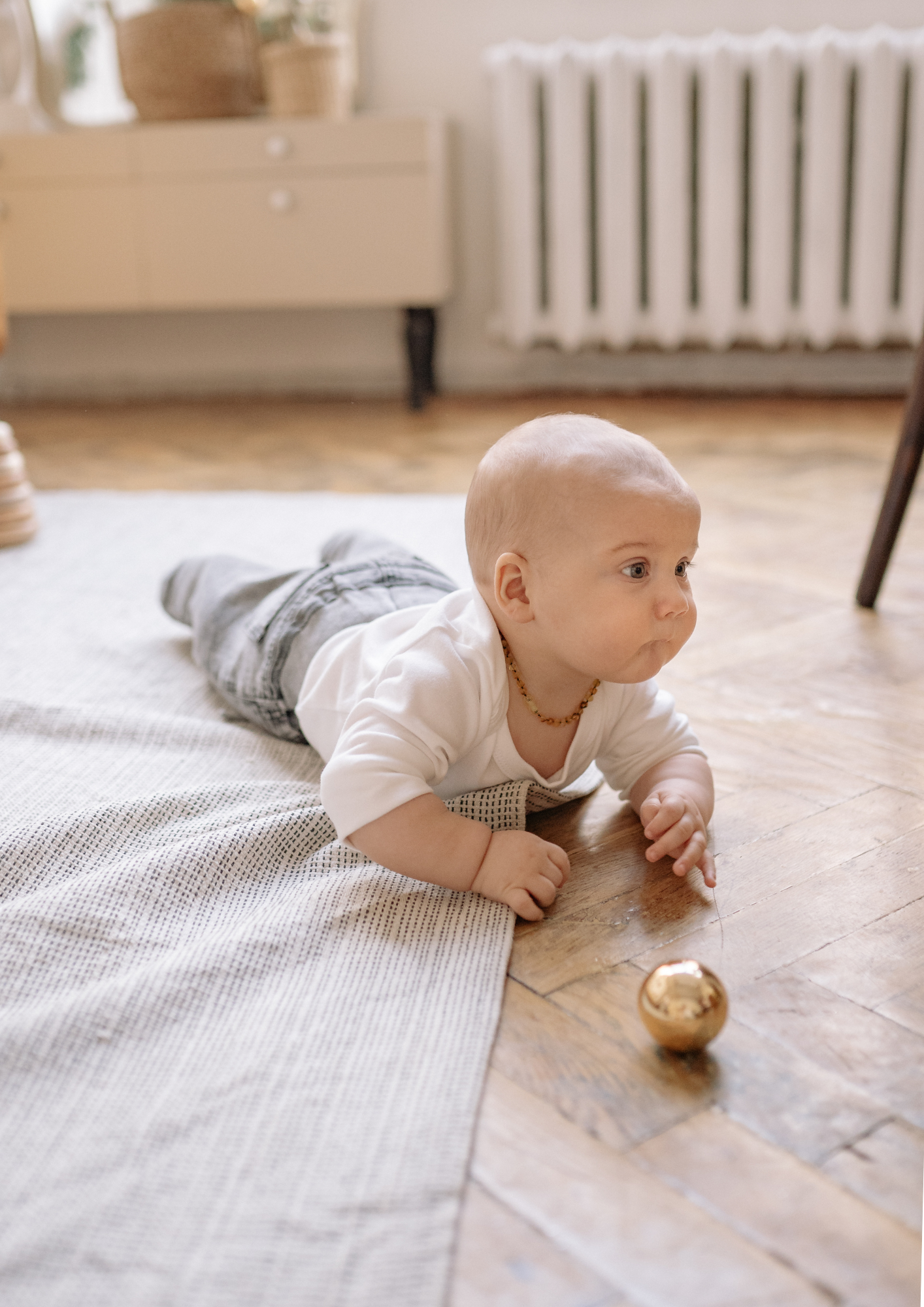
Motor development is a process during which a child gradually develops voluntary control over his or her body movements. Several skills are important for children to acquire during the first 14 months of life, within the typical and expected timeframes. We distinguish between two types of motor development:
Gross motor development involves using the body’s major muscle groups to move through space, maintain balance, and get around.
Fine motor development refers to the use of the hands and fingers to perform precise movements.
In physical therapy, professionals focus primarily on gross motor development. The nervous and musculoskeletal systems mature, progressing through major developmental milestones such as rolling over, crawling, walking on all fours, and walking. Each of these stages is important for the child to achieve new milestones (each milestone must be mastered before the next one can be attained). The professionals at Cigonia work to identify and eliminate tensions and restrictions that hinder your child’s proper motor development and provide you with tips, advice, and exercises to support your child’s motor development in everyday life!
Is my child meeting the expectations for healthy motor development?
Every child develops at their own pace, so there’s no point in constantly comparing them to other babies around you. However, motor development follows a predetermined sequence, and each milestone is a prerequisite for the next ones!
It’s therefore important to be able to recognize if a particular developmental milestone is proving challenging for your child. The goal is to help them master that milestone and move on to the next one, thereby preventing a delay in motor development.
What are the most common pitfalls?
- Rolling
- Crawling
- Crawling on all fours
- Balance and sitting posture
- Learning to walk independently
Respiratory and Orofacial Problems
Respiratory problems in children are common due to the immaturity of their respiratory system, which makes them more susceptible to infections. Physical therapy plays a crucial role in the prevention and treatment of these conditions by improving respiratory mechanics. Nasal breathing is essential because it helps filter and humidify the air, thereby reducing the risk of infections. Conditions such as rhinitis and otitis media can result from inflammation and fluid buildup, respectively, and physical therapy can help alleviate these problems. In addition, encouraging abdominal breathing and avoiding restrictive devices promotes the child’s motor development. Finally, it is advisable to limit exposure to irritants and encourage outdoor activities to improve the child’s overall respiratory health.