
What is dry needling?
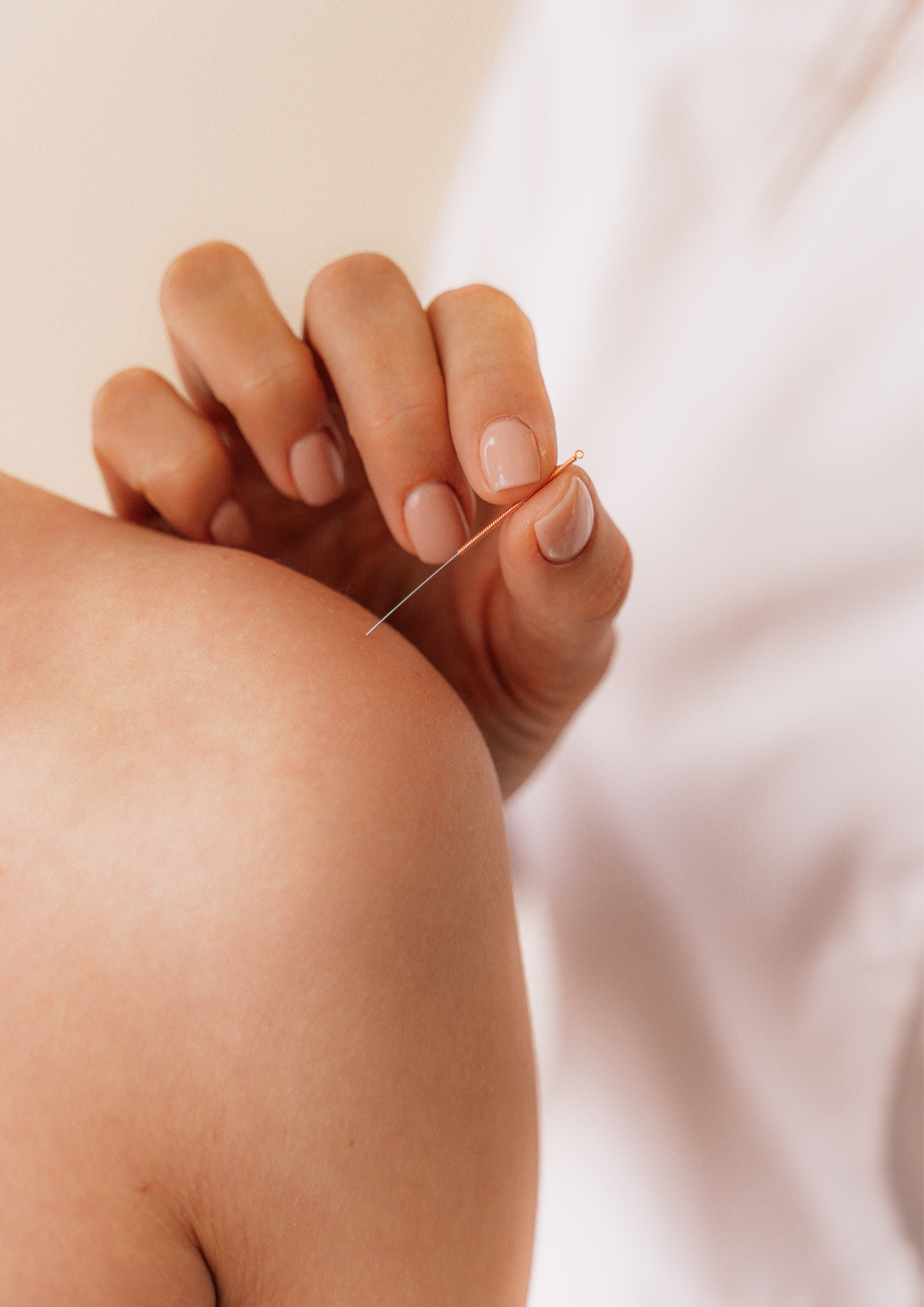
This technique employing dry, sterile, single-use needles is used to reduce inflammation, pain, and relax muscle fibers, making it a preferred complementary option. By specifically targeting trigger points (muscle knots), this technique induces a local analgesic and muscle relaxation response at the site of injury, accelerating the benefits of traditional physiotherapy treatments. The needle also provides a beneficial effect on the central nervous system. In both acute (new injuries) and chronic phases, this approach is effective.
According to the Professional Code, physiotherapists may: “use needles under the dermis to reduce inflammation, in addition to using other means, when a training certificate is issued by the Order as part of a regulation made under paragraph o of Article 94.
The numerous benefits of this expertise include :
These needles provide benefits for both new injuries and chronic issues that persist (or are refractory to conventional treatments), including:
- Pain reduction
- Muscle tension reduction
- Activation of inhibited muscles (those with difficult contraction or recruitment)
- Improvement of motor control
- Stimulation of blood circulation
- Promotion/restart of tissue repair processes
- Disruption of scar tissue adhesions through tissue reorganization.
Pelvic floor dry needling: Cigonia’s in-depth clinical expertise
In addition to using dry needles on muscles in the lumbar region, pelvis, hip, buttock, and thigh, our team has obtained additional training in the United States to offer the same type of treatment on the pelvic floor musculature. Beyond releasing the musculature and reducing pain, this technique offers numerous benefits for treating perineal and cesarean scars. Dry needling becomes very valuable in breaking down scar tissue adhesions, allowing for the recovery of optimal mobility. This innovative approach, still very uncommon in Quebec, helps optimize muscular, tissue, and scar recovery. Whether following childbirth or surgery, the benefits are numerous.
Distinction between acupuncture and physiotherapy dry needling
Although both approaches use the same type of needles, sterile, dry, and single-use, they also involve fundamental differences.
Based on the principles of Chinese medicine, acupuncturists stimulate different points, connected to one another through meridians, to achieve a systemic effect on various organs or systems (referred to as CHI in Chinese medicine). It may also include the use of other tools besides the needle, such as cupping or Gua Sha. The reasons for consulting an acupuncturist vary widely. Consult our acupuncture section to learn more.
Physiotherapy dry needling, on the other hand, is an expertise used by physiotherapists primarily to influence pain and the healing process locally in a specific area. Needle insertion is therefore more localized to the painful or problematic region. This expertise is part of a broader approach and complements the other physiotherapy modalities in the usual treatment plan.
In summary, keep in mind that the equipment is the same, but the needling techniques and their effects are not the same at all! At Cigonia, acupuncturists and physiotherapists work together and can address the same issue from multiple angles, maximizing your therapeutic options!